

Africa & Expedition
Safari planning
When to go, where to stay, and how to pace a safari so each day has room to breathe
On my very first day in Africa, a male lion walked within a few feet of our open vehicle. I could hardly breathe.
It was 2010. My husband Dan and I were at MalaMala, the private reserve that shares an unfenced border with Kruger National Park. That lion sauntered past us like a true King of the Jungle and headed straight for a female. She reared back and roared at him to get away, and I felt that roar vibrate through my entire body.
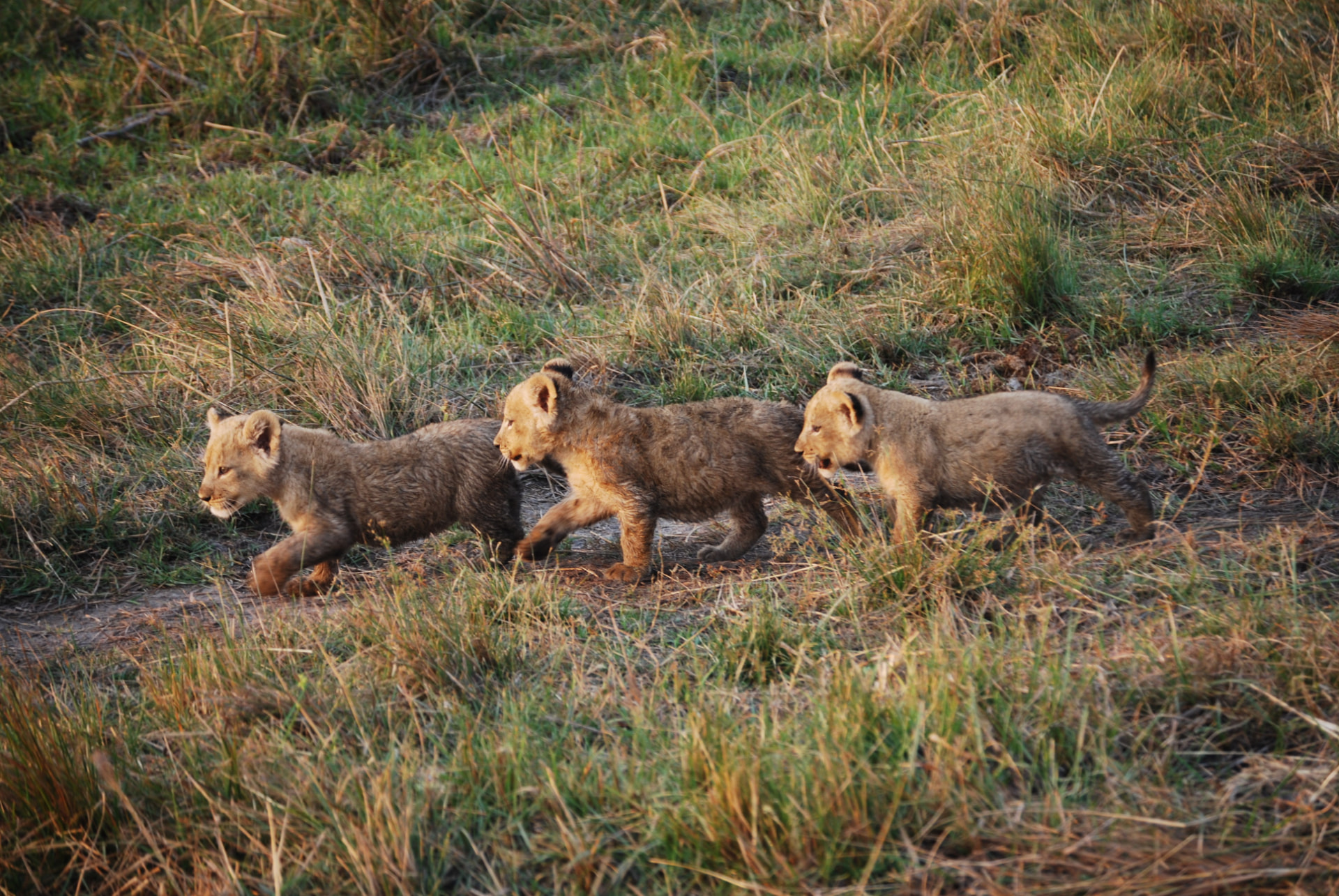
Then we saw why. 3 tiny cubs, only a few weeks old, were tumbling over each other behind her like puppies. (It was all I could do not to reach out and pick one up. It may have been my first trip to Africa, but I wasn't that stupid!)
We watched that family for more than an hour. It felt like minutes. It was a holy moment.
After 31 years as a travel advisor, I can tell you exactly why that hour happened. We were there in the right month, with a guide who knew that reserve inside and out. And we had nowhere else to be that afternoon.
Pick your month first
The 2 safari mistakes I see most are going at the wrong time of year and picking the wrong camp. Your month fixes half of that before we even start.
Across Southern and East Africa, the dry season runs roughly June to October. The bush thins out, water gets scarce, and the animals gather where your guide can find them. It's also when the best small camps fill up, so for those months we book 12 to 18 months ahead.
Here's how I think about each region:
- South Africa. I've been twice, and I love it. It has Europe with Cape Town. But you don't want to be in the bush when it's super hot or WET, because the animals get much harder to see. For safari in Greater Kruger and the Sabi Sand, I steer clients to May through October. Cape Town is at its best November through March, so we talk through which half of the trip matters more to you.
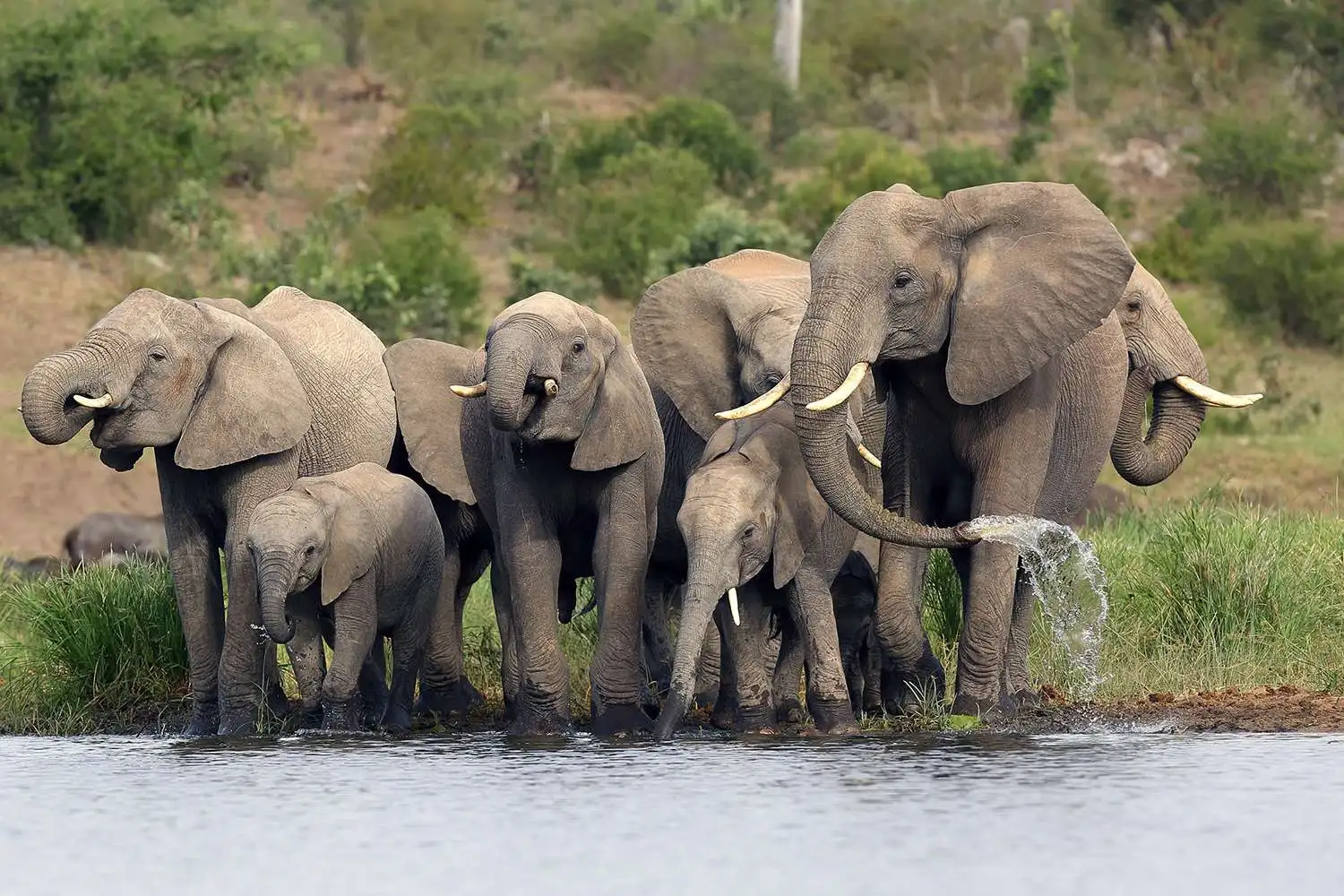
- Botswana. Wide open, no fences. June to October is peak season, when the Okavango Delta floods and you get the best elephants you'll see almost anywhere (outside Amboseli). November to March is the green season: lush, quieter, and the time for the zebra migration in the Makgadikgadi.
- Kenya. Milder climate, longer season. You can go almost any time of year. July to October is migration season in the Masai Mara, and January and February are dry and quieter. April and May bring the long rains, and some camps close.
- Tanzania. Tell me your travel month first. Here the month decides where the herds will be, and the herds decide the camp. Calving in the southern Serengeti runs about January to March, and the northern river crossings run about July to October.
And don't write off the green season. Some of the most memorable trips I've planned happen between November and March, with newborn animals, dramatic skies, and fewer guests at every sighting.
Where to stay: pay for the guide
Here's my hot take. People pick safari camps by how pretty they look in photos, and that's how they end up in the wrong camp.
Camp prices follow the GUIDES. The guide is what you're really paying for. So when I'm choosing a camp for you, the first thing I want to know is who'll be driving your vehicle.
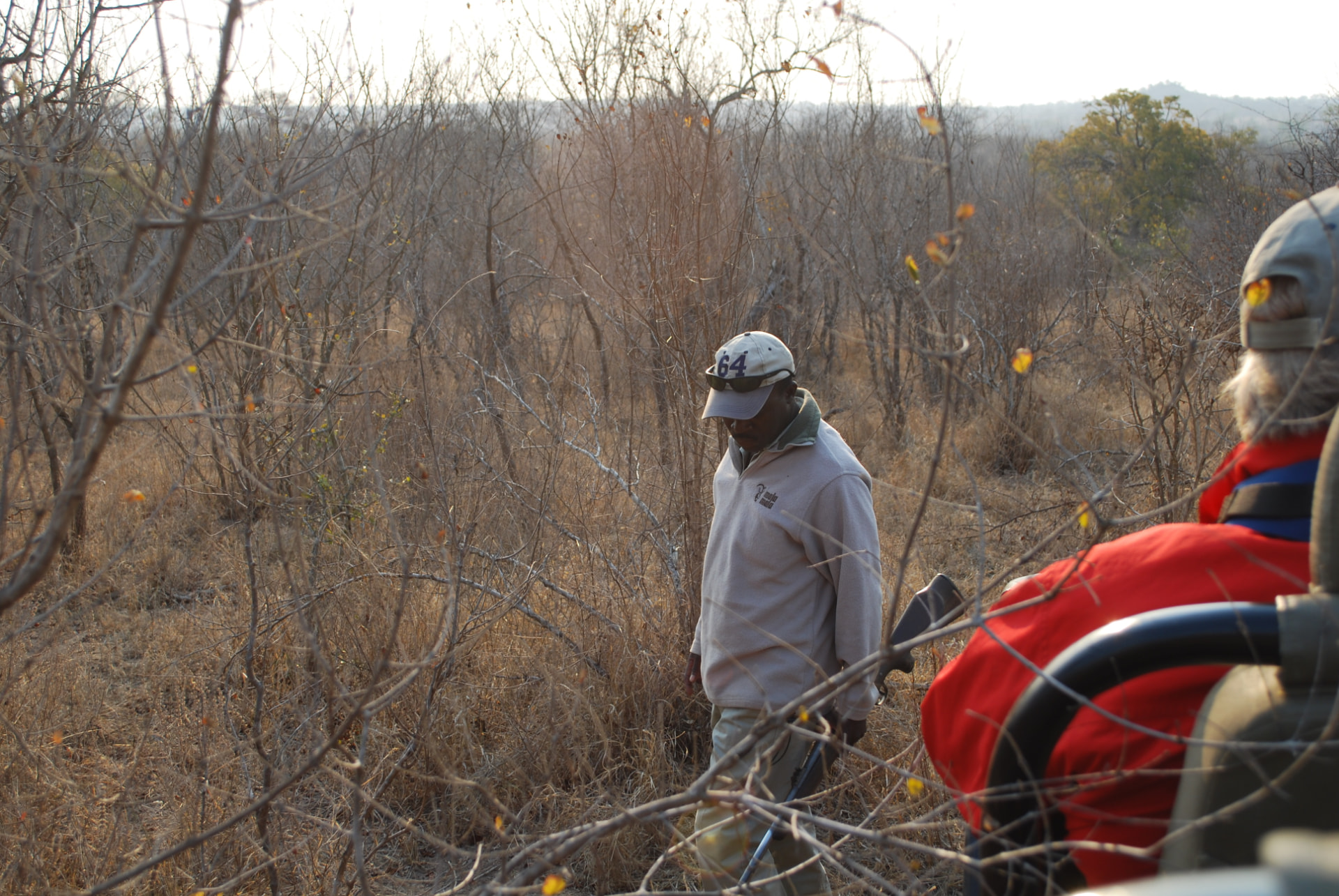
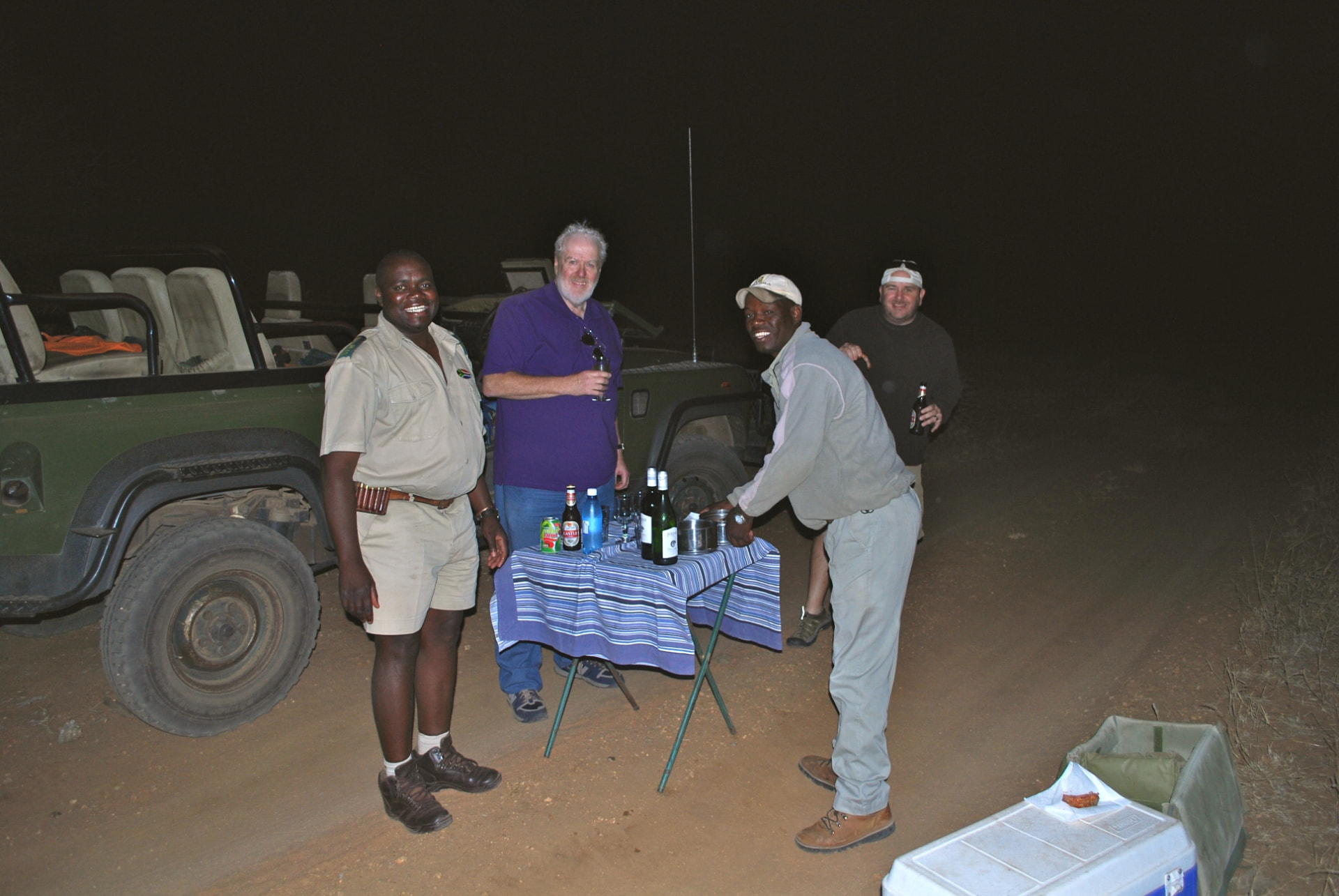
That's also why I lean toward private reserves and conservancies over national parks. They limit how many guests are out at once, and your guide can usually go off-road, drive at night, and take you walking. At MalaMala, our guide could follow that lion family off the road. In most national parks, vehicles have to stay on it.
These are the camps I've stayed in myself:
- MalaMala, South Africa. Private reserve, unfenced border with Kruger. My first lion family.
- Tanda Tula and Kapama, South Africa. 2 more Greater Kruger stays I know firsthand.
- Tuba Tree, Okavango Delta, Botswana.
- King's Pool, Linyanti, Botswana. Elephants, elephants, elephants.
- Mahali Mzuri, Masai Mara, Kenya.
In Botswana, I tell everyone to choose at least one water camp and one land camp. Gliding through the Delta in a mokoro and bouncing through the Linyanti on a game drive feel like 2 completely different safaris. A camp like Tuba Tree paired with one like King's Pool gives you both.
In Kenya, stay in a private conservancy beside the Mara instead of inside the main reserve. You'll see the same wildlife with far fewer vehicles around you.
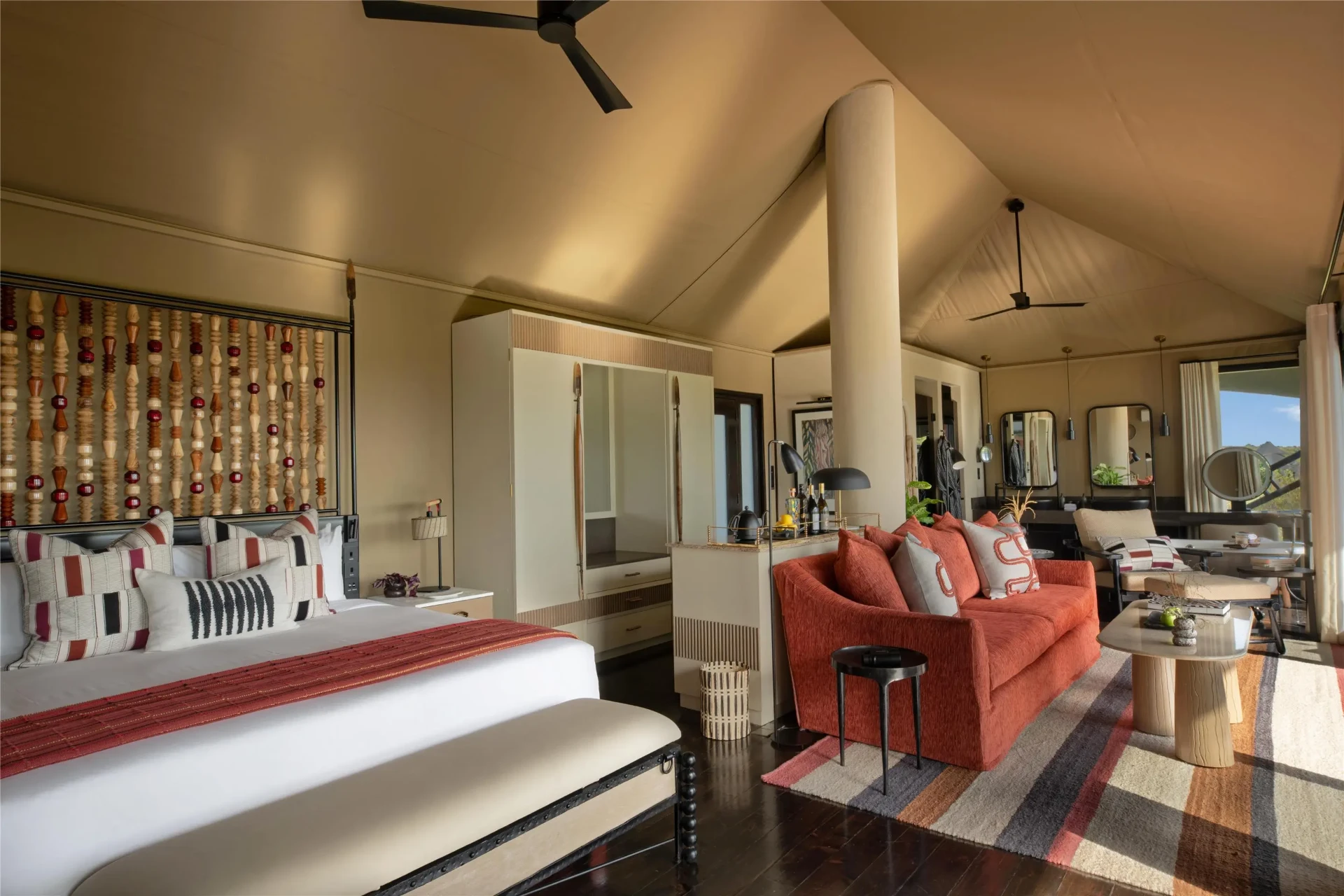
And yes, the room still matters. You're in your room more than you think. Towels matter. Views matter. Pillows matter. On safari you'll spend the middle of every day there, so it matters even more.
If you've already done a classic safari, Namibia (red dunes and desert-adapted elephants) and Rwanda (an hour with mountain gorillas) are where I start the conversation for a second trip.
How to pace it so each day has room to breathe
The temptation with Africa is to see all of it at once. I get it. You flew a very long way.
But every move costs you. You pack, you fly, you land, you meet a new team, and half a day of game drives is gone. So for a first safari, I plan 2 or 3 camps, with at least 3 nights in each. The first drive at a new camp is thrilling... but by the third day, your guide knows exactly what you hope to see.
In total, plan 7 to 10 nights in the bush, plus your international flights. That's the sweet spot for real variety without feeling rushed.
Let the safari day set the rhythm
Every safari day already has a built-in pace, and I plan around it. Coffee before sunrise and a morning drive while the animals are active. A late breakfast. Then the middle of the day is yours: nap, swim, read, sit on your deck.
Afternoon tea leads into the evening drive, usually ending with sundowners and dinner under the stars. Protect that midday break. It's what keeps you sharp (and awake) for the evening drive.
End somewhere soft
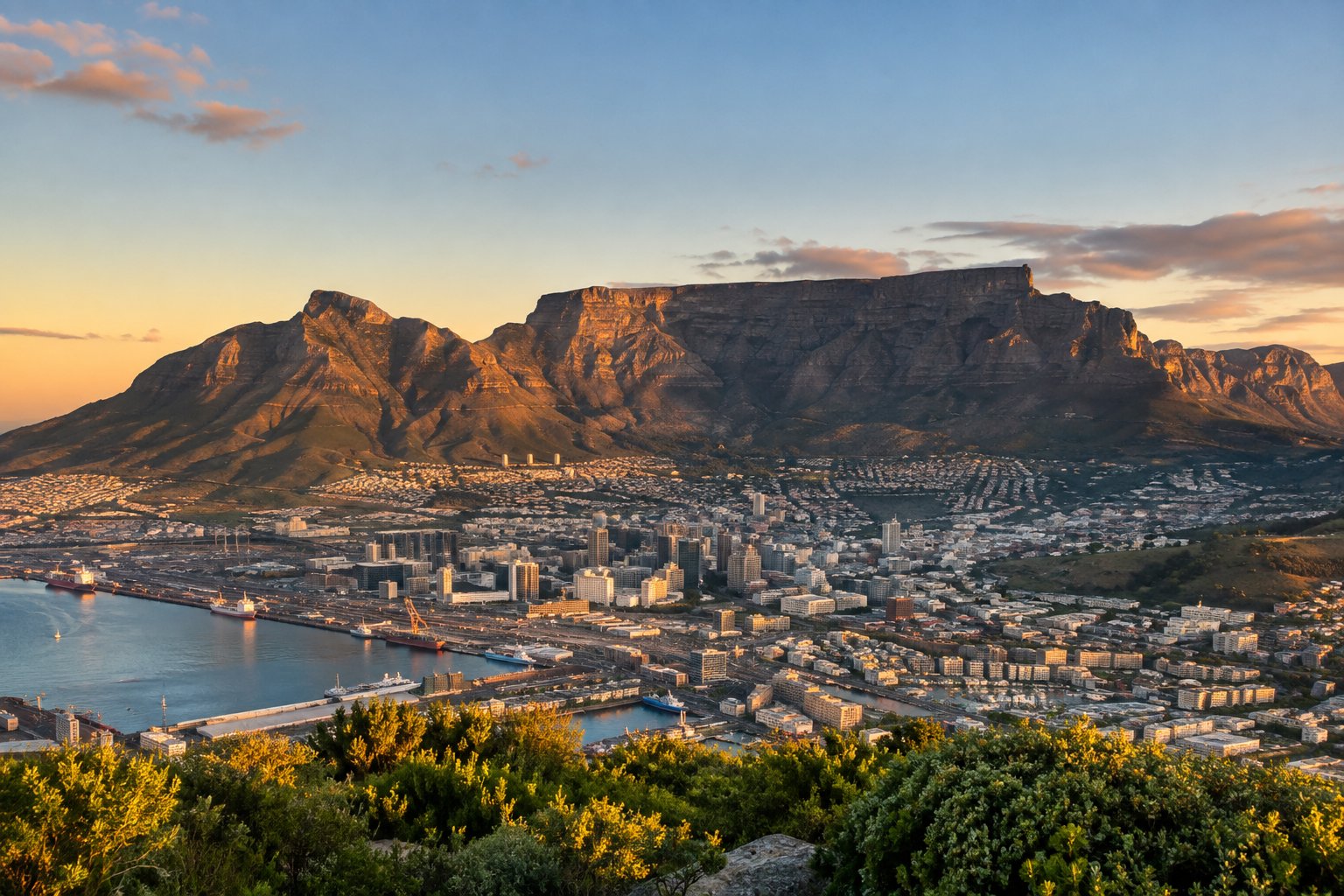
After a week of before-sunrise wake-up calls, a few nights in Cape Town, at Victoria Falls, or on a beach in Mauritius or the Seychelles lets the whole trip settle in. Here's what that looks like for a first safari, about 11 nights:
| Stop | Nights |
|---|---|
| Cape Town | 3 |
| The Winelands | 2 |
| Sabi Sand | 4 |
| Victoria Falls | 2 |
Wine and the city first, 4 deep nights in the bush, then the falls to finish.
Your travel days count too
The vacation starts the moment you leave home. For Africa, that means the most direct routing we can find, realistic connection times, and sometimes flying in the night before so your first game drive isn't a jet-lagged blur. Kenya makes this easier: you can fly nonstop from JFK.
We arrange lounges and VIP airport services when they make sense, and we watch your flights while you're in the air. If something goes sideways, we're already working on it.
One practical note: the small planes between camps take soft-sided bags with strict weight limits, usually 33 to 44 pounds per person including carry-on. Most camps do laundry, so pack less than you think.
Let's figure out yours
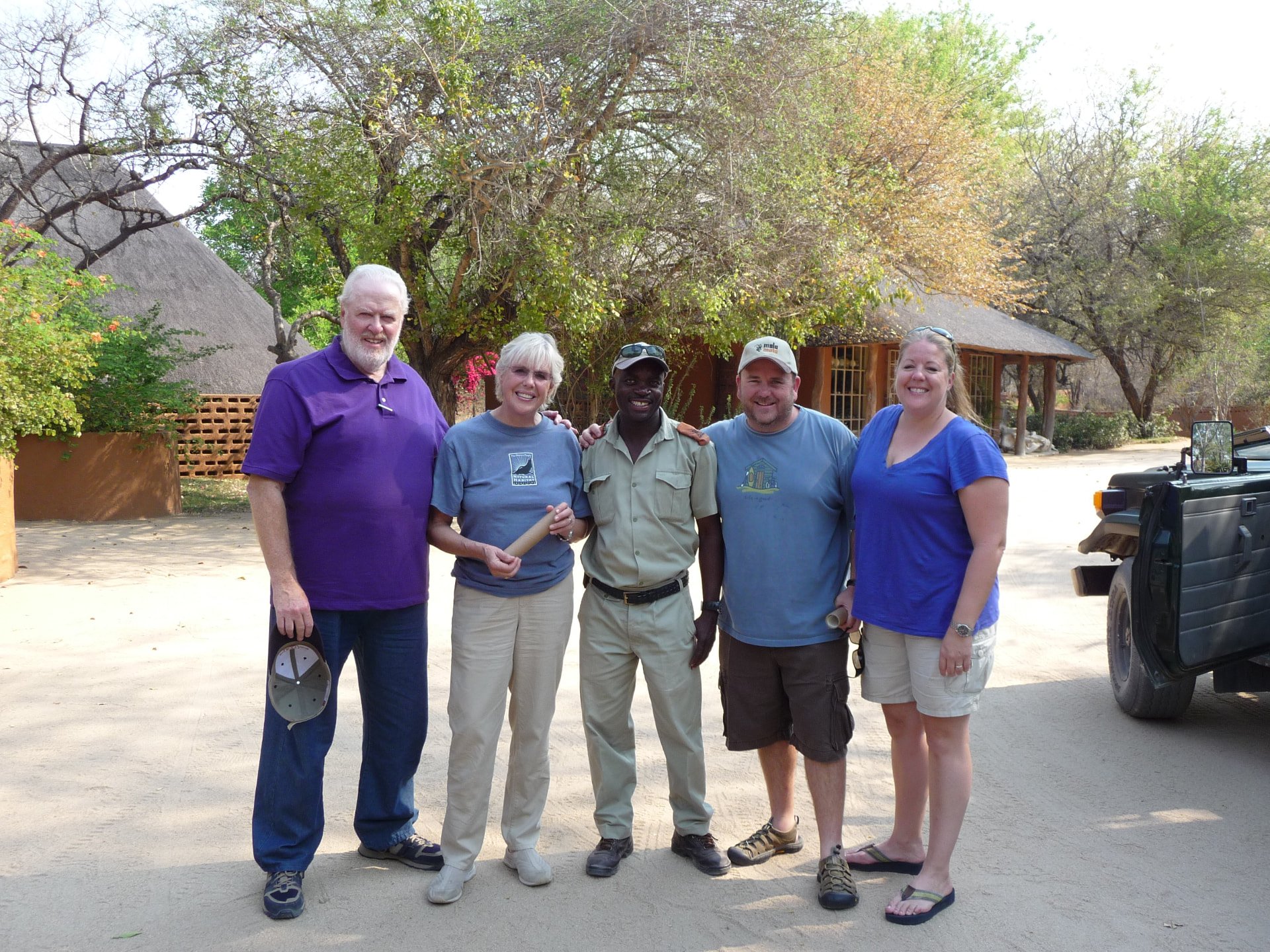
About 5 years ago, I told Patty and Dave that a safari to Kenya would change their lives. They called me the minute they got home: "When can I go back?" They still talk about it constantly.
South Africa? Kenya? Botswana? Tanzania? You don't need to know the answers before you reach out. That's my job. And through Virtuoso, our clients get added amenities at many of Africa's best lodges, plus a real person watching over the trip from Cave Creek before, during, and after.
Want the full picture? Download my Safari Planning Guide for every region, more sample itineraries, and answers to the 25 safari questions I hear most. Or reach us at 480-360-0309 or susan@susanstravelservices.com.
So tell me: what's the one animal you'd fly halfway around the world to see?