
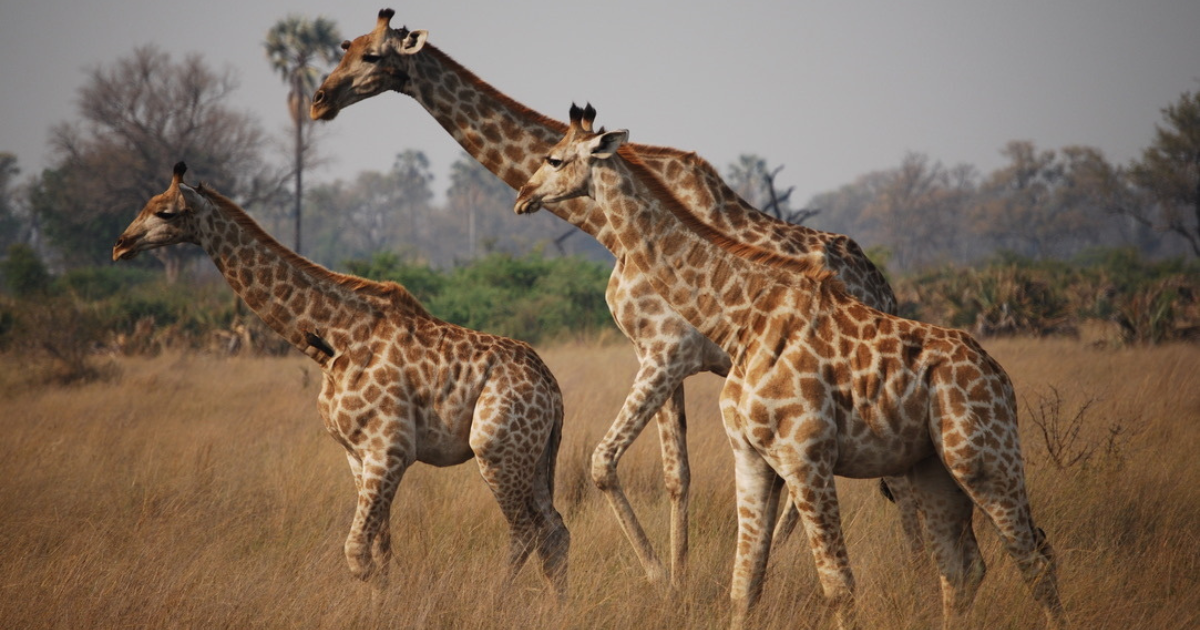
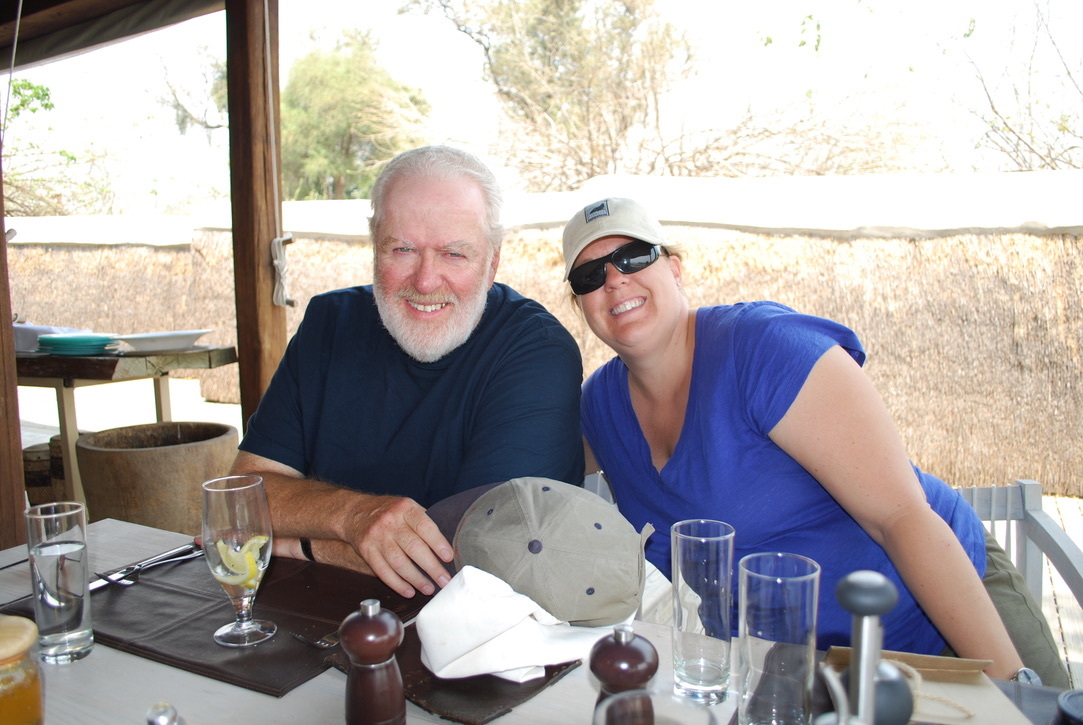
In September 2010, my parents surprised my husband, Dan, and me with a safari through South Africa and Botswana. It was my first trip to Africa, and more than fifteen years later, I still find myself telling stories from that journey.
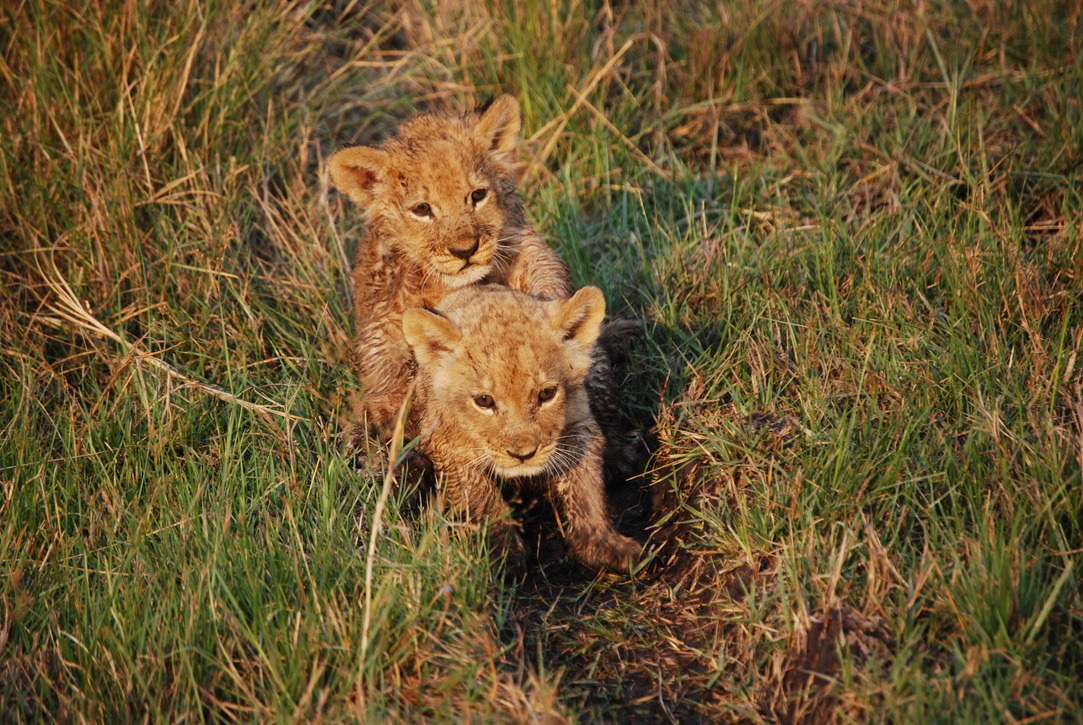
Of course, I remember the wildlife. We watched lionesses hunt, saw baby lions, listened to hippos through the night and encountered more elephants than I could count. But when I look back on that trip now as a travel advisor, what stands out most is not how many animals we saw or which camp had the most beautiful accommodations.
It is how much the right fit matters.
That first safari taught me something I still consider every time I plan Africa for a client: the best safari is not simply the one with the most luxurious camp. It is the safari designed around the people taking it.
Starting in Cape Town
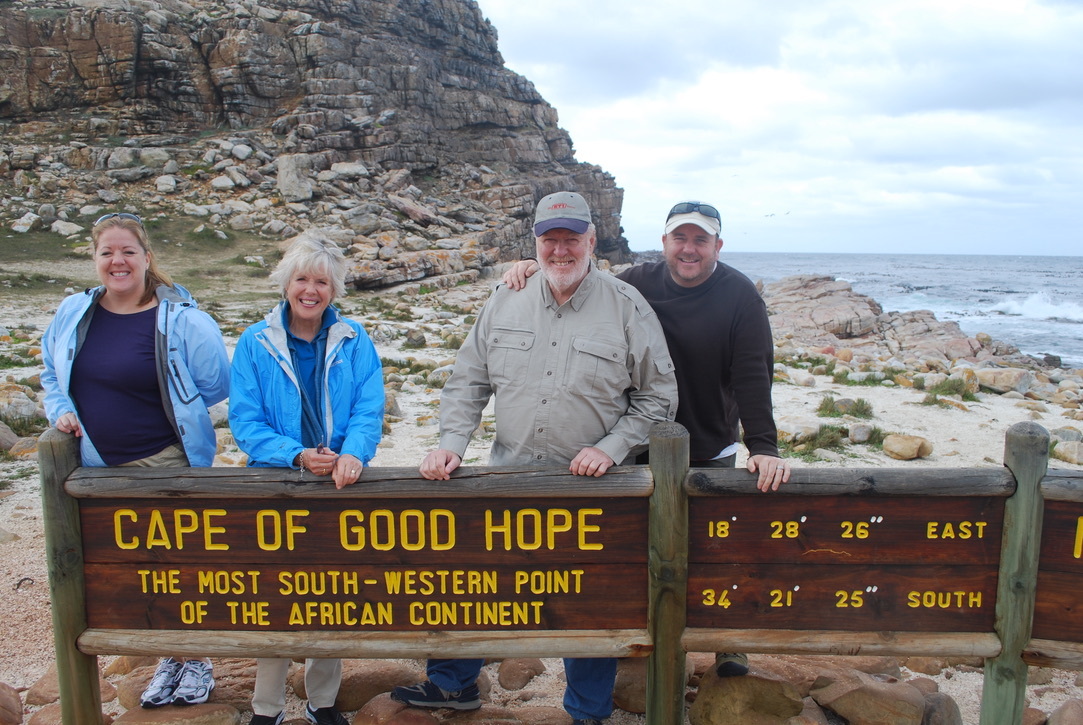
We began our trip with three nights at The Twelve Apostles Hotel and Spa in Cape Town, visiting the Cape of Good Hope and spending time in the Cape Winelands before flying into the bush.
Looking back, I think Cape Town was a wonderful way to begin a first trip to Africa. After a long international journey, we had time to settle in while experiencing South Africa’s scenery, food, history and wine country before transitioning into the safari portion of the trip.
That is something I still consider when working with first-time safari travelers today. You do not necessarily need to arrive in Africa and immediately climb into a safari vehicle. A few nights in Cape Town can create a gentler beginning while adding an entirely different dimension to the journey.
The Guides I Still Remember
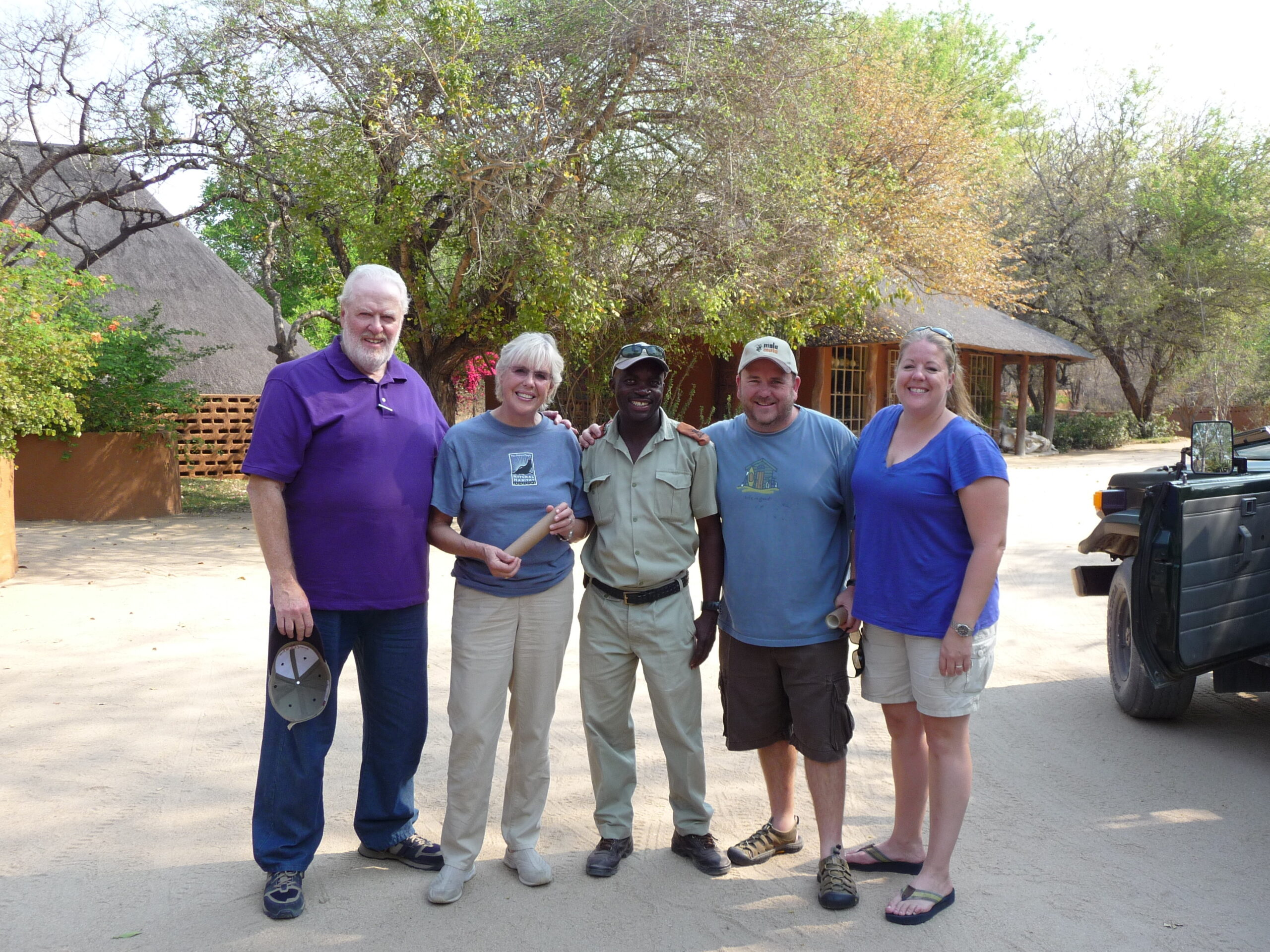
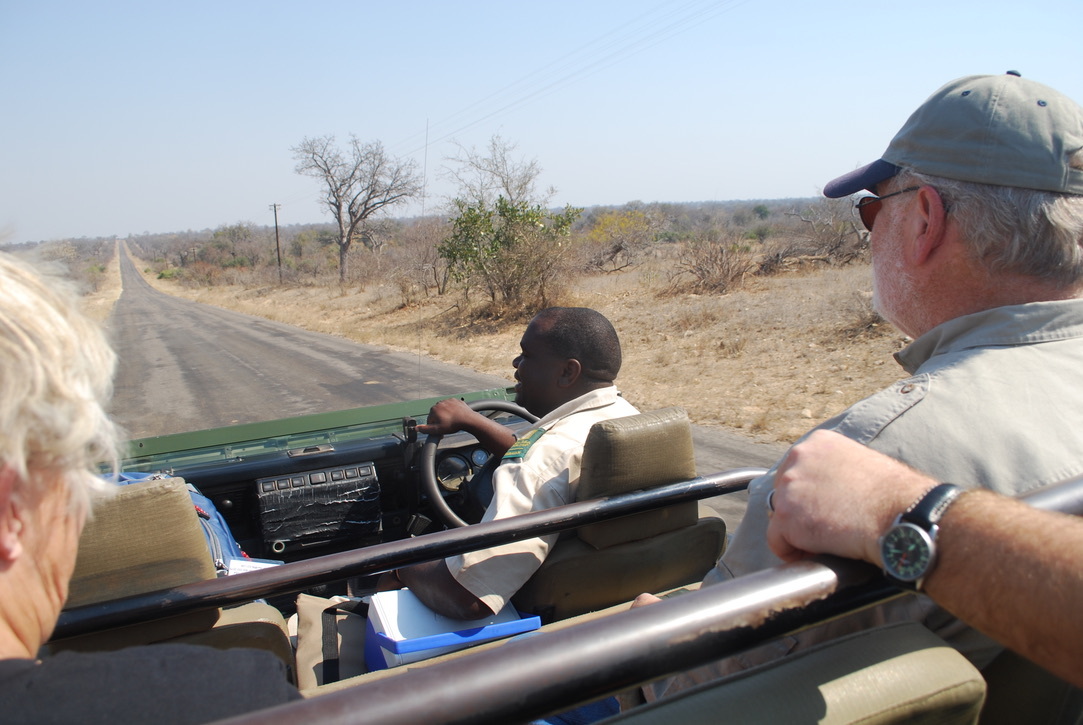
Our first safari camp was Tanda Tula in the Timbavati. Before we even arrived at camp, I realized our guide, Scotch, was going to be extraordinary.
During the drive from the airstrip, a bird flew past our vehicle and my mom casually mentioned that she loved it. Without hesitation, Scotch told us exactly which page and number to find it under in the field guide.
We were amazed.
Later, at MalaMala in the Sabi Sand, we had another exceptional guide named Benz, short for Mercedes-Benz because, as we were told, he was that good. During our stay, we watched two lionesses stalk an impala and eventually make the kill. It was emotional and uncomfortable to witness, but it was also nature unfolding exactly as it does when no one is there to stage it for you.
Those two guides are still among the people I remember most clearly from the entire journey.
It is one reason I encourage travelers not to evaluate a safari camp solely by photographs of the accommodations. A beautiful suite, wonderful food and a private plunge pool certainly add to the experience, but the quality of the guiding can fundamentally change what you take away from a safari. A great guide helps you understand what you are seeing rather than simply driving you from one sighting to another.
The Camp We Loved That Wasn’t Right for Everyone
One of the most important lessons came when we traveled into Botswana and stayed at Tubu Tree.
Dan and I loved it. It was small, intimate and adventurous, with raised tented accommodations and opportunities for walking and water-based activities. One night, Dan even woke up to a bull elephant rubbing against the tree beside our tent. Somehow, I slept through the entire thing.
My parents, however, had a very different experience.
The raised accommodations and steps were more difficult for them, and the activities that appealed to Dan and me were not necessarily what they wanted from their safari. They were happier comfortably riding in a safari vehicle and concentrating on wildlife.
Neither experience was wrong. We were simply different travelers.
We eventually moved on to King’s Pool, which suited my parents much better. It offered the comfort they wanted while still keeping us immersed in the wilderness.
That experience has stayed with me throughout my career because it illustrates why I don’t believe there is one “best safari camp.” A camp that is perfect for an active couple may be completely inappropriate for their parents. Even people traveling together can have different mobility needs, activity preferences and comfort levels.
Luxury Means Something Different to Every Traveler
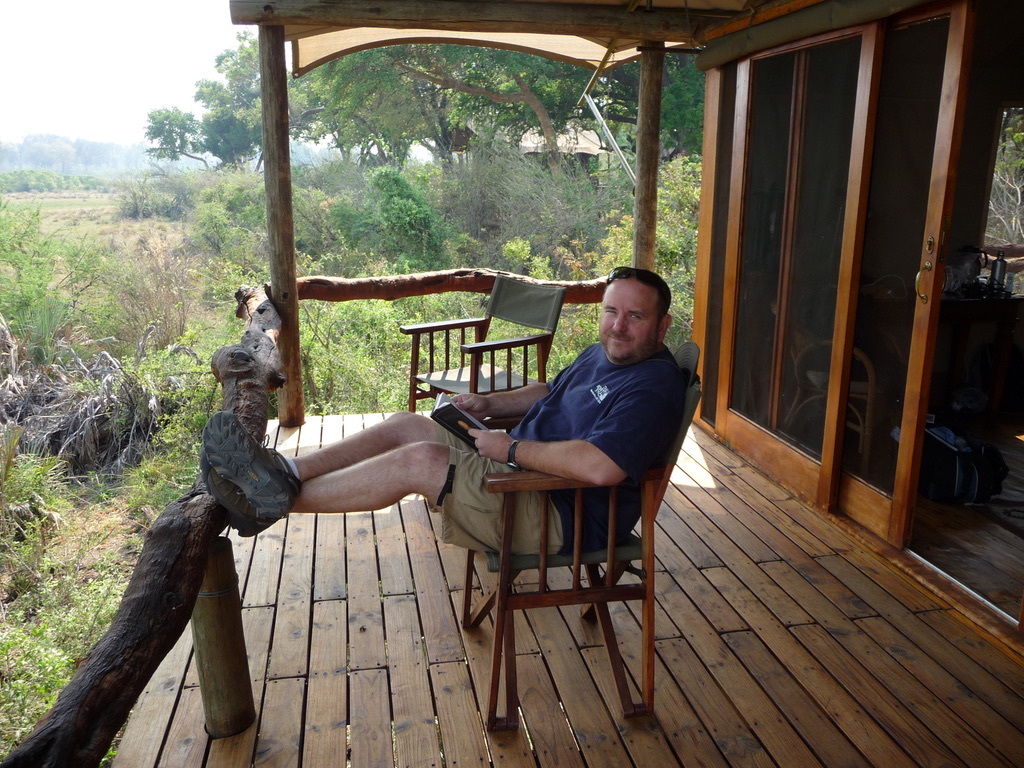
At King’s Pool, we had a beautiful suite with a private plunge pool overlooking the river, but some of my favorite memories had absolutely nothing to do with traditional luxury.
One night, under a full moon, a troop of baboons gathered above us and made noise for what seemed like the entire night. They even peed on our tent. Meanwhile, we could hear hippos from the river.
It was ridiculous, funny and completely unforgettable.
That is safari. You are visiting the animals’ home, and sometimes the moments you never could have planned become the stories you tell for years.
Luxury on safari is also deeply personal. For one traveler, luxury may mean an intimate tented camp reached by small aircraft, with days spent walking or exploring by water. For another, it may mean fewer steps, easier access, comfortable game drives and a private plunge pool waiting at the end of the day.
Neither is more luxurious if it isn’t right for the person experiencing it.
What That First Safari Still Teaches Me
I have worked in travel for more than 30 years, but my own experiences as a traveler continue to influence the questions I ask my clients.
That first safari taught me to look beyond the name of a camp. I want to understand the quality of the guiding, accessibility, activities, pace, location and how each property fits into the journey as a whole. This becomes especially important when I am planning multigenerational travel, because everyone may arrive with different expectations and abilities.
It also showed me why South Africa and Botswana can complement each other so beautifully. On a single journey, we experienced Cape Town, wine country, private reserves in South Africa and the wilderness of Botswana. The trip gave us city, culture, scenery, traditional game drives, intimate tented camps, water experiences and extraordinary wildlife.
Would I Choose the Same Camps Today?
Not necessarily.
This trip took place in 2010, and safari camps evolve. Properties renovate, management changes, activities change and the overall guest experience can change significantly over time. I would never recommend a safari today simply because I personally loved a particular camp more than a decade ago.
What hasn’t changed is the importance of matching the camp to the traveler.
When I plan a safari today, I look at the current experience, recent feedback, quality of guiding, location, seasonal wildlife patterns, accessibility and how each camp works within the complete itinerary.
The name of the camp matters. The fit matters more.
Planning Your First Safari
If you are beginning to dream about your own South Africa or Botswana safari, my advice is to start with you, not with a list of camps you saw online.
Think about how active you want to be, whether stairs or walking distances are a concern, how comfortable you are flying in small aircraft and whether you prefer an intimate camp or a property with more amenities. Consider whether your priority is maximizing wildlife sightings or incorporating experiences such as walking, boating or canoeing. And think about what else you would like your trip to include, whether that is Cape Town, the Winelands or another destination entirely.
My first safari gave my family extraordinary wildlife sightings, plenty of laughter and stories we still tell today. More importantly, it taught me that a thoughtfully planned safari should never be one-size-fits-all.
Your safari should be designed for you, not copied from someone else’s trip.
Ready to begin planning a luxury safari in South Africa, Botswana or beyond? Contact Susan’s Travel Services to schedule a consultation.